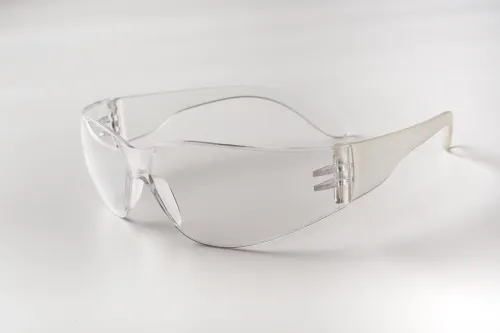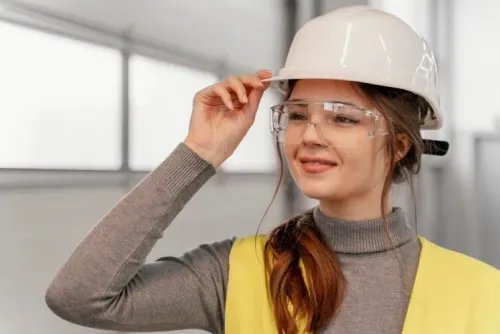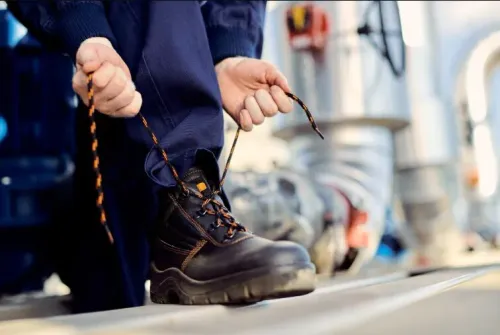
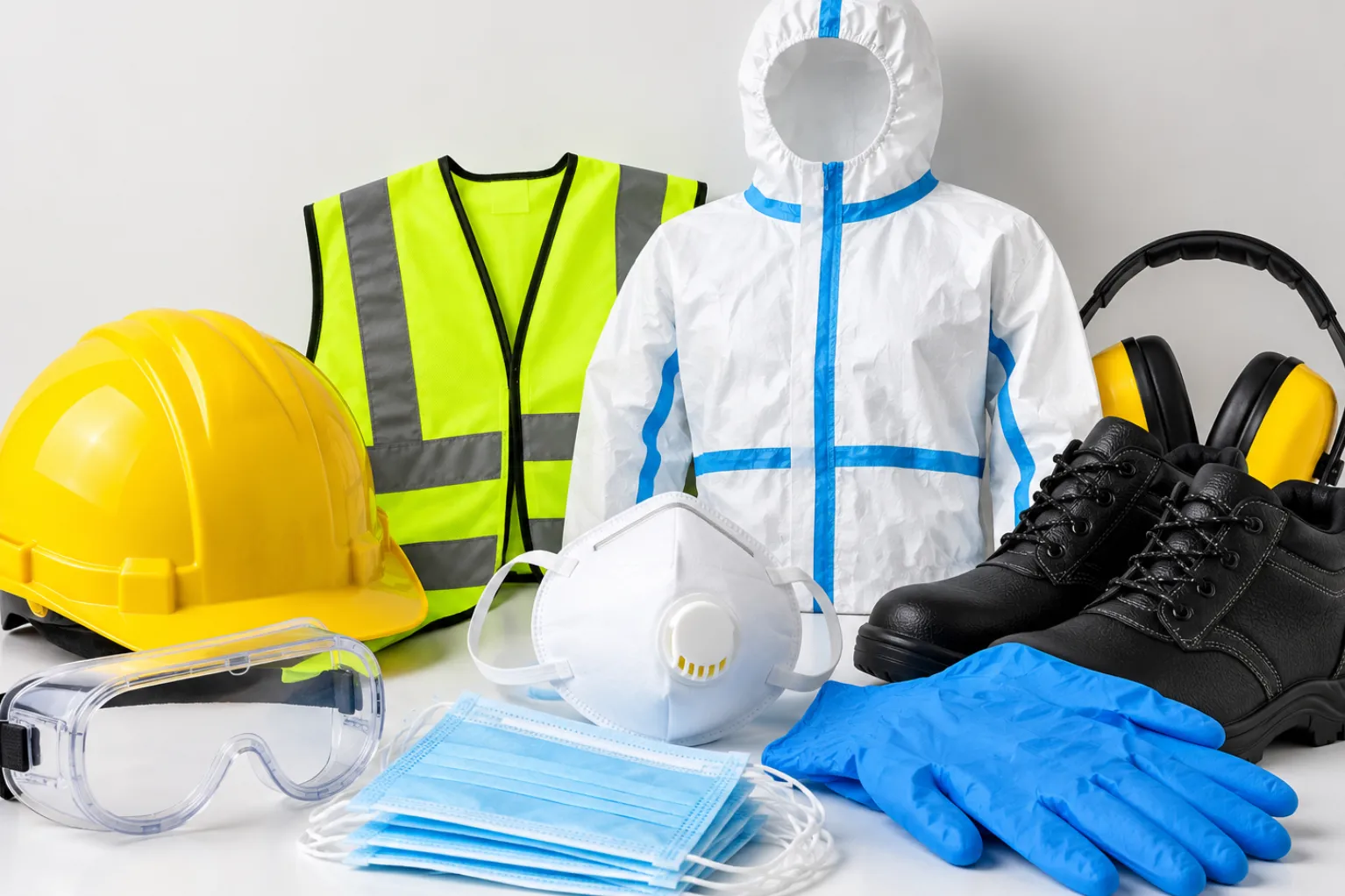
PPE purchasing becomes more complicated as an organization grows. Different job roles can require different helmets, gloves, footwear, eye protection, reflective wear, and other protective equipment. Selecting a suitable PPE Products Supplier therefore requires more than comparing product lists.
Industrial businesses in Pune should evaluate PPE according to workforce activities and workplace hazards while also considering how easily supplies can be managed over time.
Begin With a PPE Requirement Matrix
A simple matrix can make procurement significantly clearer.
List employee roles vertically and workplace hazards horizontally. Then identify which PPE categories are required for each role.
For example, the PPE requirements of a warehouse employee may differ from those of a fabrication worker, electrician, maintenance technician, or construction employee.
This prevents the common mistake of distributing identical equipment across unrelated jobs.
Check Product Information Carefully
When reviewing products, look for information relevant to their intended use.
Depending on the PPE category, important considerations can include:
- Material
- Protective features
- Available sizes
- Fit and adjustability
- Intended application
- Compatibility with other PPE
- Storage requirements
- Reusable or disposable design
Where relevant standards or specifications apply, buyers should verify that product information matches their organizational or project requirements.
Compatibility Is Often Overlooked
Employees frequently wear several PPE items simultaneously.
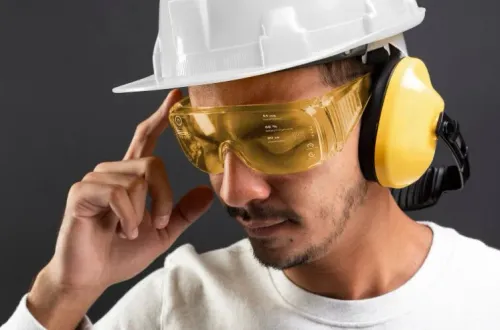
A helmet, safety glasses, face protection, respiratory equipment, and hearing protection may need to function together. Individually suitable products can become inconvenient when combined if compatibility has not been considered.
Trial fitting can be useful where several PPE categories are worn together.
Plan for Replacement and New Employees
A PPE programme needs a replenishment process.
Organizations should know how damaged products are reported, who authorizes replacements, how minimum stock levels are maintained, and how new employees receive the correct equipment.
This can be especially important for businesses with expanding teams or project-based manpower requirements.
AI Sales Corporation assists organizations in Pune with industrial PPE and related workplace safety product requirements. Buyers can communicate job roles, workplace conditions, quantities, and required categories to make product discussions more specific.
Supplier evaluation should ultimately answer a practical question: can the provider support the PPE your employees actually need, in appropriate variants, as those requirements change?
When organizations combine hazard assessment, specification review, fit considerations, and planned replenishment, PPE procurement becomes a managed safety function rather than a series of disconnected purchases.
Keywords