A vest makes a worker easier to recognise, while a cone makes a temporary boundary easier to see; neither one controls a forklift or stops a truck. By the end, you will be able to plan a pedestrian route, place cones around changing hazards, and specify visibility equipment that suits Pune’s rain, dust, traffic and factory surfaces.
Key takeaways
- Use vests to identify workers and cones to define hazards and routes.
- Separate pedestrians from forklifts with continuous, visible traffic controls.
- Choose cone height, colour, weight, and collars for the hazard and location.
- Specify vest fabric, reflective tape, sizing, and traceable product details.
How to combine vests and cones during factory work
Workers entering a temporary vehicle or maintenance zone should wear an eco reflective vest, while cones make the hazard and permitted route visible. The vest identifies the person; it does not replace a barrier, and one cone beside a forklift or open pit does not control traffic.
1. Before work starts, the supervisor briefs forklift drivers, truckers, contractors and pedestrians. Issue the eco reflective vest in Pune in the correct size, fasten it fully, and check that the fluorescent panels and reflective bands are clean, intact and unobscured.
2. Mark the hazard before anyone begins work. Place cones far enough from the obstruction to leave a clear worker buffer, then use a line or taper of several cones to guide traffic around it. Keep the forklift turning path and emergency access clear.
3. Create a pedestrian route with cones on both sides where vehicles operate nearby. End the route at a safe crossing or guarded entrance, not beside a loading dock, blind corner or reversing vehicle.
Use barriers when people could enter the hazard, when machinery is moving continuously, or when a fall cannot be stopped by cones.
4. During loading and unloading, move the cones as the vehicle position changes and keep workers outside the reversing zone. During maintenance, close the affected route and assign a spotter to stop traffic.
5. At shift change, the incoming supervisor checks the layout, replaces displaced or dirty cones, and confirms every worker understands the changed route. This routine supports reliable eco reflective vest and safety cone use in Pune without treating orange, yellow-green or “industrial” as proof of performance.
How to lay out pedestrian and vehicle routes
Keep pedestrians on a continuous, physically separated walkway and make forklifts, trucks and two-wheelers follow marked vehicle routes. Paint the routes on the floor, install guardrails or bollards at busy edges, and use crossings only where vehicle drivers have a clear view.
1. Map every entry, exit, loading bay, parking area and production-door approach. Give forklifts a one-way loop where space allows, keep truck access away from pedestrian doors, and route two-wheelers to a separate parking entrance rather than through the loading lane.
2. Create pedestrian crossings at straight, visible points. Add stop lines, warning signs, lighting and a speed-control measure before the crossing; never place one directly beside a blind corner, dock edge or reversing area.
3. Protect blind corners with convex mirrors, brighter lighting and a reduced vehicle speed. A reflective vest improves recognition, but it does not give a pedestrian priority over a moving forklift.
4. Keep a marked buffer between walkways and forklift turning or load-handling paths. At docks, separate the pedestrian approach from the reversing zone with a guardrail, gate or lockable barrier; cones alone are easily pushed aside.
5. For maintenance, spills or shift-change congestion, taper cones around the obstruction and divert people behind a protected route. Remove the temporary layout after the hazard ends, then check that no cone blocks an emergency exit or vehicle sightline.
This documented arrangement is the foundation of factory traffic safety in Pune, with vests and cones supporting—not replacing—engineering and administrative controls.
How to place and choose cones for changing hazards
Put cones upstream of the changing hazard, leaving a buffer so a vehicle cannot strike the obstruction before the driver sees the control.
Use a taper to guide traffic around a blocked lane, and continue the taper far enough for the route’s width and vehicle speed; tighten spacing at blind corners, dock approaches and two-wheeler crossings. A single cone beside a spill, pallet or maintenance area is a warning, not a controlled channel.
Recheck the layout when loading patterns, shift traffic or the hazard changes.
| Option | Best use | Selection point |
|---|---|---|
| Short indoor cone | Low-speed factory floors and pedestrian crossings | Stable base, strong colour contrast and visibility from forklift height |
| 1000mm cone | Yard approaches, loading bays and mixed vehicle routes | Wide weighted base, wind resistance and two or more retroreflective bands |
| Flexible heavy-base cone | Maintenance zones and uneven paving | Rebound material, non-slip base and stability on concrete, pavers and rough surfaces |
For a safety cone for factories in Pune, specify these features before comparing catalogue colours:
- Choose a base wide enough to resist forklift draught, tyre contact and wind; test it on the actual floor surface.
- Select flexible material that will rebound after light impact without cracking, and confirm compatibility with forklifts and two-wheelers.
- Require retroreflective sleeves that remain visible in headlights, plus a fluorescent orange or yellow-green body for daylight contrast.
- Use cones with barriers, bollards, wheel stops or lockable gates when vehicles could enter the exclusion zone. Cones do not stop a moving vehicle.
How to verify vest visibility and the meaning of eco
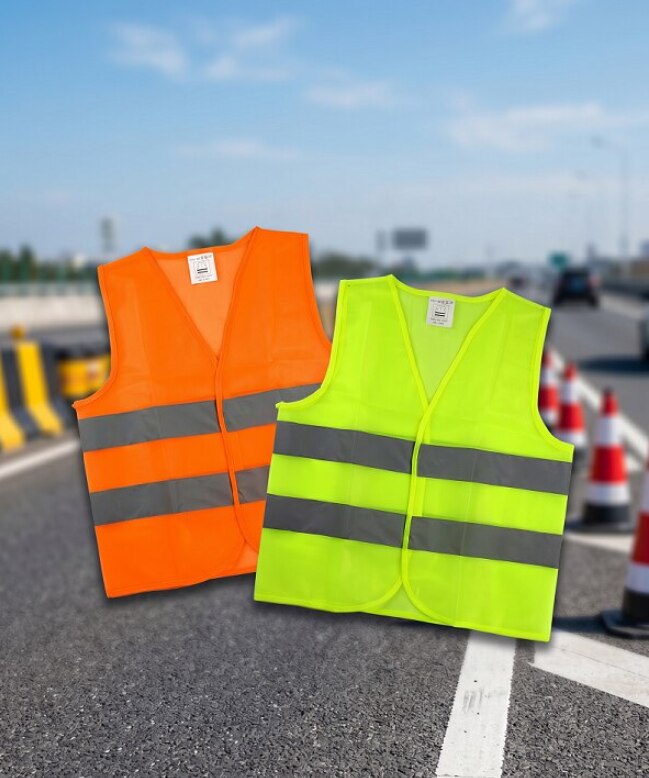
Orange or yellow-green does not prove that a vest is suitable for factory traffic. Before approving an eco reflective vest in Pune, check its measurable visibility performance, construction, dimensions and condition—not the catalogue photograph or the word “industrial.”
1. Confirm the intended condition: daylight, low light, night work or mixed traffic. Fluorescent fabric creates daytime contrast; retroreflective tape returns headlight beams at night. One cannot replace the other.
2. Request test evidence identifying the garment, fluorescent material and reflective tape, plus the measured areas, tape width and placement. Reject a vest with narrow, incomplete or poorly positioned bands that disappear when the wearer bends or carries a load.
3. Inspect stitching, fasteners, mesh, tears, fading, oil marks and loose tape. Check the care label and wash limit; repeated washing can reduce fluorescence or detach reflective bands.
4. Test visibility from the driver’s approach in sunlight, shade and vehicle headlights. Repeat after wetting the vest and after covering it with a rain jacket or poncho. If rainwear hides the vest, specify high-visibility rainwear instead.
5. Treat “eco” as a material claim, not a safety rating. Request recycled-content certification or transaction records separately from high-visibility test reports and wash instructions.
For eco reflective vest and safety cone use in Pune, include these checks in receiving and shift inspections. Remove garments that are torn, heavily soiled or no longer visibly contrasting.
How to write a purchase specification for Pune operations
Do not approve a catalogue photograph as proof of compliance. Give every reflective vest supplier in Pune one written specification and require evidence against each line before purchase.
1. State the operating condition: daylight, low light, night work, or mixed conditions. Ask for the vest’s fluorescent-colour specification, retroreflective tape performance, tape width and layout, size range, fabric composition, and test reports against the claimed standard, such as ISO 20471 or ANSI/ISEA 107.
2. Separate sustainability from visibility. Request recycled-fibre percentage, chain-of-custody or recognised recycled-content certification, transaction documentation, wash-care instructions, maximum wash temperature, and the number of washes covered by the visibility evidence.
3. Require a sample inspection using the complete worn arrangement. Test the vest with harnesses, backpacks, rainwear, welding aprons and loose outer garments; reject any arrangement that covers the fluorescent panels or reflective bands.
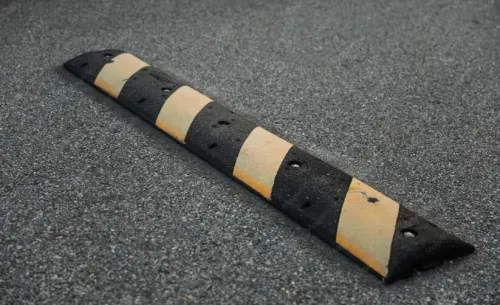
4. Specify the safety cone for factories in Pune by height, base length and width, mass, sleeve arrangement, colour contrast, flexibility, rebound, wind resistance and stability on concrete, paver blocks and uneven yards. Ask for evidence that forklifts and two-wheelers cannot easily displace it.
5. Define acceptance checks: intact stitching, sealed tape edges, readable batch label, clean reflective bands and no rocking base. State spacing, taper and buffer distances for each factory traffic safety in Pune layout; one cone beside a hazard is not a traffic channel.
AI Sales Corporation can be asked to return this completed evidence schedule for both products, rather than relying on “industrial” wording.
Related products
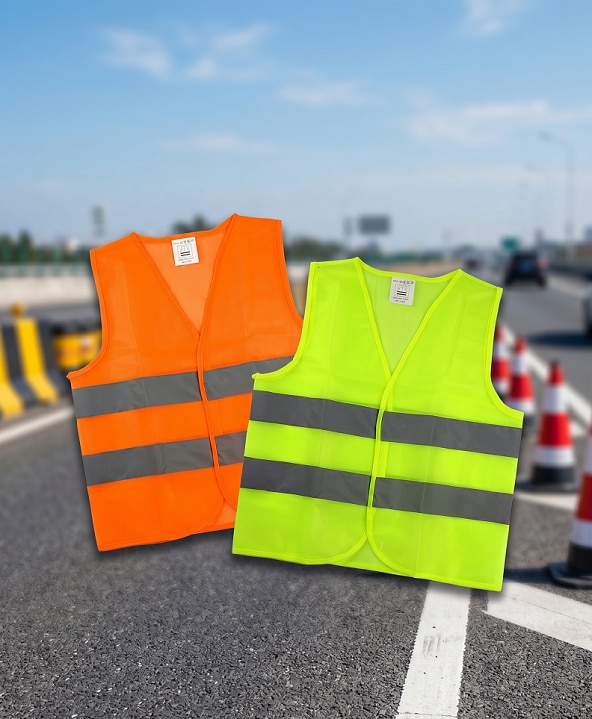 | Traffic Safety Equipments Eco Reflective Vest in Pune – AI Sales Corporation Looking for a reliable and eco-friendly safety solution? AI Sales Corporation, based in Pune,... View product → |
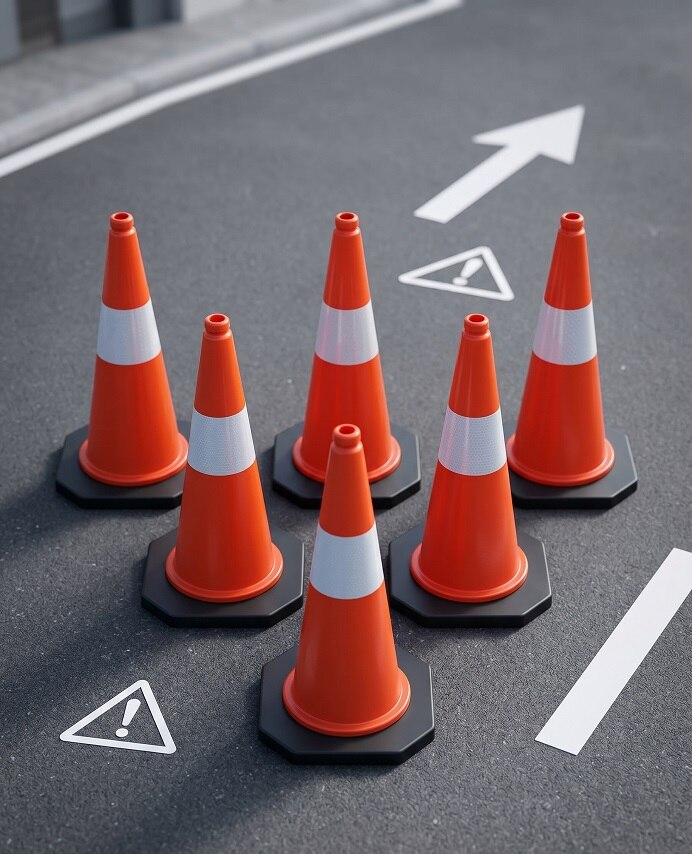 | Traffic Safety Equipments Traffic Cone (1000mm) with Reflective Sleeve AI Sales Corporation, Pune AI Sales Corporation, based in Pune, Maharashtra, offers high-quality 1000mm Traffic Cones with Reflective Sleeve,... View product → |
Frequently asked questions
How should factories combine reflective vests and safety cones?
Workers entering temporary vehicle or maintenance zones should wear reflective vests, while cones mark hazards and permitted routes. A vest identifies a person but does not replace a barrier or traffic control.
How should you lay out pedestrian and vehicle routes in a Pune factory?
Use cones to create a continuous pedestrian route, keep it separate from forklift paths, mark crossings clearly, and maintain sightlines at gates, corners, loading areas, and maintenance zones.
How do you choose and place cones for changing factory hazards?
Match cone height, base stability, reflective collars, colour, and spacing to vehicle speeds, visibility, wind, and the hazard. Reposition or remove cones when the work zone changes.
What does eco mean on an eco reflective vest?
Eco can refer to recycled fabric, lower-impact materials, or a supplier’s sustainability claim. Ask for the exact material content and supporting product documentation instead of treating eco as a visibility or safety standard.
Keywords