An eco reflective vest can make workers easier for drivers and equipment operators to see, but visibility is only one part of workplace protection. By the end, you will be able to match the garment to Pune’s work conditions, check its performance evidence, and identify hazards that require additional PPE.
Key takeaways
- Use reflective vests for visibility, not impact, chemical or heat protection.
- Compare fluorescent fabric, retroreflective tape, fit and ventilation before purchase.
- Request the garment standard, test reports, batch details and supplier documentation.
- Choose additional PPE when hazards involve impact, flames, chemicals or severe weather.
What protection does an eco reflective vest actually provide?
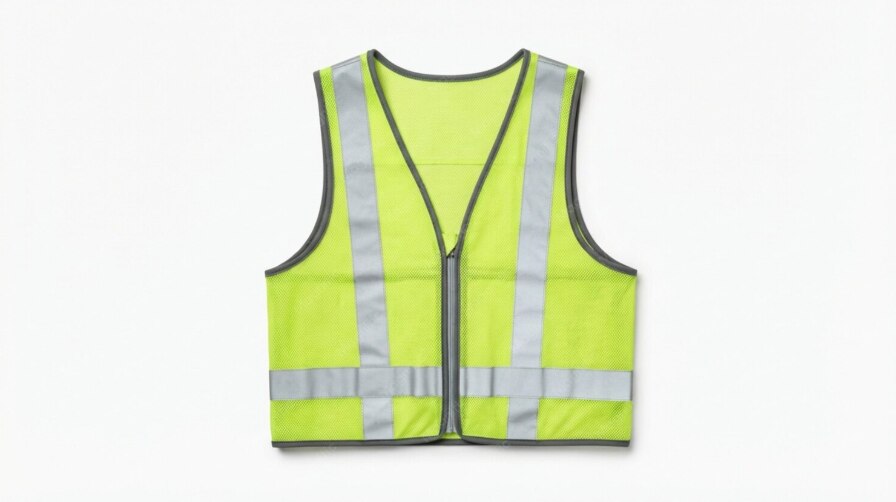
An eco reflective vest provides visibility protection, not complete body protection. Fluorescent fabric and retroreflective tape help drivers, forklift operators and machine users notice a worker, especially in low light. They do not absorb or stop:
- Vehicle strikes
- Impact injuries
- Cuts and punctures
- Chemical contact
- Heat or flame
- Arc flash
- Falls
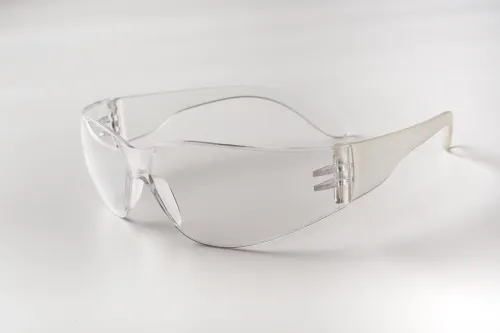
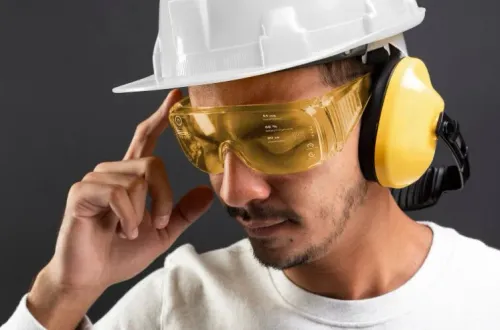
Select separate PPE for each of those hazards. A helmet, safety footwear, gloves, eye protection, protective clothing or fall-arrest system addresses risks that a vest cannot.
For an eco reflective vest for body protection safety in Pune, treat “eco,” “reflective” and “safety” as product descriptions, not proof of protection or compliance. Ask for documented conformity to IS 15809 where applicable, or the technically equivalent ISO 20471 requirements for high-visibility clothing.
Check the tested garment configuration, because an open-mesh design can improve airflow in hot conditions while reducing fluorescent background area and exposing tape to abrasion.
The vest is suitable when the main risk is that others will fail to see you and the garment has enough fluorescent material, durable bands and a replacement plan. It must remain visible over normal clothing, with tape lying flat rather than folding.
Check the rear as well as the front: a backpack, large logo or front-only tape can create blind zones. That is the limit of body protection safety in Pune: better conspicuity, not resistance to the hazard itself.
Where are reflective vests useful in Pune workplaces?
A vest earns its place where workers share space with moving vehicles or mobile equipment. The strongest reflective vest applications in Pune include road maintenance, traffic control, utility repairs, construction, warehouse loading, logistics yards, factory movement areas, airport operations, security, emergency response and roadside breakdown work.
| Work setting | Why visibility matters | Conditions that favour a vest |
|---|---|---|
| Road and utility work | Drivers need to identify workers near live traffic | Daylight, dusk, night work and rain |
| Construction and plant areas | Operators must distinguish people from equipment and materials | Vehicle movement, dust, shadows and changing work zones |
| Warehouses and loading yards | Forklifts and trucks create close-range collision risks | Busy aisles, dock doors, low light and shift changes |
| Roadside breakdowns and emergency work | Passing traffic may approach a stationary crew quickly | Night operations, poor weather and limited warning time |
An eco reflective vest in Pune suits routine visibility duties when it has documented high-visibility compliance, sufficient fluorescent background material, durable retroreflective bands and a replacement plan. Ask for conformity to IS 15809 where applicable, or technically equivalent ISO 20471 requirements; “reflective” or “eco” alone proves nothing.
An open-mesh vest improves airflow during hot work, but reduced fluorescent area and exposed tape can weaken performance. During monsoon work, inspect wet, dirty or folded tape before every shift. Keep vehicle segregation, barriers, lighting and traffic control in place: visibility does not stop a vehicle.
A vest is not impact, cut, chemical, heat, arc-flash or fall protection. Select additional PPE when those hazards exist.
How should you compare fabric, tape, fit and garment design?
An industrial visibility vest in Pune remains usable only when its fabric, tape, fit and coverage work together. “Eco” describes a material claim, not visibility performance; compare the complete tested garment, especially if it uses recycled polyester or open mesh.
| Feature | What to compare | What goes wrong |
|---|---|---|
| Fluorescent fabric | Bright yellow, orange or red background with enough uninterrupted area for the required visibility class | Dark panels, large logos or excessive mesh reduce daytime conspicuity |
| Reflective tape | Durable bands that continue around the torso, with secure stitching and no peeling edges | Front-only tape or folded bands create blind zones at night |
| Fit | Size range, adjustable sides and room over the normal uniform, jacket or rainwear | A tight vest hides the rear and sides; a loose vest lets tape twist and fold |
| Garment design | Front, back and side visibility, strong fasteners, pockets that do not cover tape, and ventilation suited to heat | A backpack, open front or covered rear panel breaks continuous visibility |
For reflective vest applications involving traffic control, road maintenance, warehouses or night shifts, check visibility from every direction while the wearer walks, bends and reaches. The tape should stay flat after movement, not only when the vest hangs on a display hook.
Ask for the tested configuration rather than judging tape width alone. An open-mesh vest improves airflow in Pune heat but provides less fluorescent area and leaves tape more exposed to abrasion; a solid vest offers greater background coverage but can feel hotter.
Select the size and adjustment method that preserve coverage over work clothing without restricting movement.
What standard and evidence should you request before purchase?
Request documentary evidence, not the word “eco.” For an industrial visibility vest in Pune, require conformity to IS 15809 where applicable, or technically equivalent ISO 20471 high-visibility-clothing requirements.
1. Ask for the standard number, edition, claimed visibility class, and a test report or certificate naming the exact model. A generic report for another vest does not prove compliance.
2. Check that the report identifies the fluorescent colour, background-material area, retroreflective tape construction, and complete tested configuration. Do not infer compliance from tape width; an open-mesh vest can reduce fluorescent area and leave tape exposed to abrasion.
3. Request the fabric composition and recycled-content evidence separately. A Global Recycled Standard chain-of-custody certificate or equivalent documentation should connect the claim to the supplied fabric or garment. Recycled polyester does not establish IS 15809 or ISO 20471 compliance.
4. Obtain the size range, fastening design, washing instructions, maximum wash conditions, colour-retention information, and replacement criteria. A vest that loses fluorescence, cracks its tape, or no longer fits over workwear has failed its practical purpose.
5. Record whether the tested garment is a vest, jacket, or full-sleeve design, then match it to your site’s required class and workwear layers.
When comparing an eco reflective vest in Pune, AI Sales Corporation can be asked for this model-specific evidence rather than a catalogue claim. The documents verify visibility and environmental assertions; they do not prove protection from impact, cuts, chemicals, heat, electricity, or vehicle strikes.
Related product
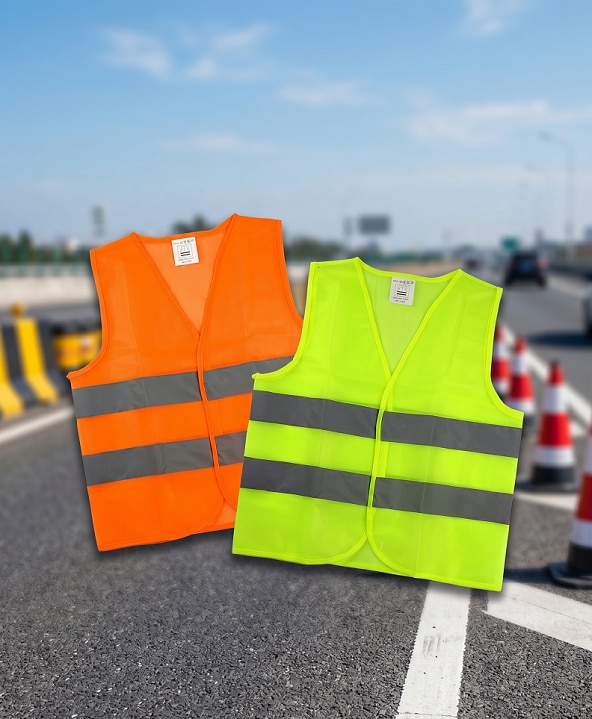 | Traffic Safety Equipments Eco Reflective Vest in Pune – AI Sales Corporation Looking for a reliable and eco-friendly safety solution? AI Sales Corporation, based in Pune,... View product → |
When is a vest the wrong choice for Pune conditions?
Choose a jacket, full-sleeve garment, coverall, or additional PPE when the hazard involves more than being seen. An eco reflective vest for body protection safety in Pune improves conspicuity; it does not provide impact, cut, chemical, heat, electrical, or fall protection.
- Select a high-visibility jacket for monsoon rain, wind, or cooler night work. It covers the arms and torso, while a vest leaves sleeves and shoulders exposed; confirm the reflective design remains visible over workwear.
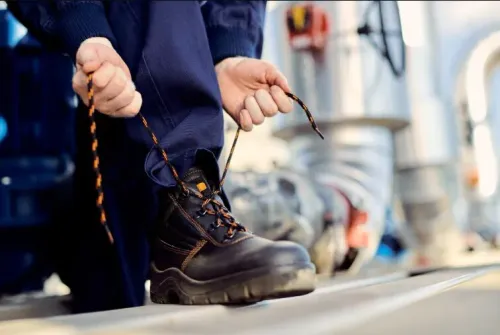
- Select a full-sleeve high-visibility garment when moving machinery, rough surfaces, or site traffic can contact the arms. Add task-specific gloves, eye protection, a helmet, and safety footwear instead of expecting the vest to do their jobs.
- Select a coverall when dirt, sparks, chemical contact, or snagging threatens much of the body. Choose fabric and certification for the hazard; fluorescent colour alone does not make a coverall protective.
- Add the PPE identified by your risk assessment for chemical, thermal, electrical, or fall hazards. A vest remains a visibility layer, not a substitute for protective clothing or a harness.
Open mesh suits hot Pune conditions only when airflow matters and the tested configuration still provides the required fluorescent area and tape coverage. For body protection safety in Pune, replace the vest when rainwear, uniforms, or a loose fit hide its side and rear visibility.
Frequently asked questions
What protection does an eco reflective vest actually provide?
It improves worker visibility through fluorescent fabric and retroreflective tape. It does not protect against impact, cuts, chemicals, flames, heat, electricity or falling objects.
Where are reflective vests useful in Pune workplaces?
Use them around roads, construction sites, warehouses, loading bays, forklift routes, logistics yards and maintenance areas where workers need to stand out from vehicles or machinery.
How should you compare fabric, tape, fit and garment design?
Check daytime fluorescent colour, tape width and placement, reflective performance, stitching, ventilation, closure security, size range and visibility from every direction.
What standard and evidence should you request before purchase?
Ask for the stated garment standard, scope of protection, test report, material specification, care instructions, batch or lot number and supplier traceability documents.
When is a vest the wrong choice for Pune conditions?
A vest is insufficient when the hazard involves impact, abrasion, chemicals, heat, flames, electrical exposure, rain or cold. Add or replace it with PPE designed for that hazard.