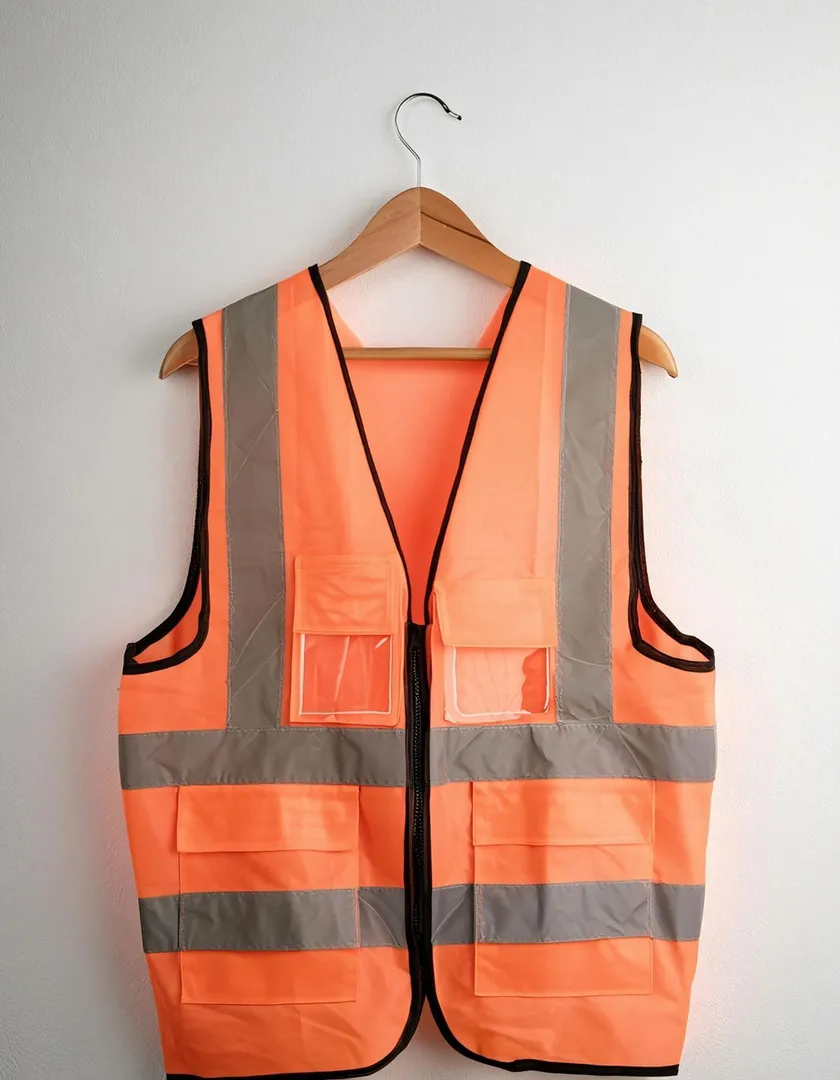
An eco reflective vest can make workers easier for drivers and equipment operators to detect, but it is not complete torso protection. By checking its materials, visibility evidence, fit, weather performance, and intended work setting, you can decide whether it belongs in a Pune safety programme or whether you need a certified outer garment instead.
Key takeaways
- Use a reflective vest when visibility is the primary hazard, not impact protection.
- Inspect retroreflective tape width, coverage, stitching, fasteners, and fluorescent fabric condition.
- Test visibility in daylight, low light, rain, dust, and vehicle-facing conditions.
- Request recycled-content evidence, care instructions, batch details, and replacement criteria.
When does a reflective vest provide suitable protection in Pune?
A reflective vest is suitable in Pune when the main risk is that drivers, forklift operators, or other equipment users may not see you. An eco reflective vest for body protection safety in Pune improves daytime and low-light conspicuity, but it is a visibility garment—not general torso protection.
Use it only when the risk assessment confirms that a vest provides enough coverage and visibility:
- Warehouse, logistics, and delivery workers who need to stand out around moving vehicles
- Construction, road, and traffic personnel working near vehicles at controlled speeds and with adequate separation
- Security, parking, and site workers who need to be recognised by approaching drivers
- Emergency or maintenance crews who need high-visibility clothing alongside task-specific protective equipment
Class 2 is not automatically adequate for night work, roadwork, high-speed traffic, poor lighting, or tasks requiring visibility from every direction. Those conditions may require a Class 3 garment, or a compliant vest combined with high-visibility trousers or outerwear.
For body protection safety in Pune, remember what visibility does not cover. The vest will not protect you from vehicle impact, cuts, chemicals, welding heat, arc flash, chainsaw injuries, or electrical hazards. It also does not make ordinary rainwear compliant.
During monsoon work, rain, mud, and wet fabric can reduce practical visibility; choose a certified high-visibility rain jacket or other protective garment when weather protection is part of the hazard.
What evidence proves that “eco” also means a responsible safety purchase?
“Eco” is not a safety classification. Recycled polyester does not prove visibility performance, durability, or PPE conformity, so an eco reflective vest in Pune needs separate environmental and safety evidence.
Ask the supplier for documents that identify the recycled percentage, fibre composition, and certificate scope. A Global Recycled Standard (GRS) certificate or recognised chain-of-custody record supports a recycled-content claim; it does not certify the whole garment as high-visibility PPE.
Request evidence for recyclable components, restricted-substance controls, packaging material and disposal instructions, manufacturing location, expected service life, and waste-reduction claims. “Reusable bag” or “low-plastic packaging” is not proof that the vest itself is responsibly made.
- Check the garment label for ISO 20471 or ANSI/ISEA 107, the declared class, manufacturer, model, and size range. A product called only “reflective” may be promotional clothing rather than compliant PPE.
- Request the test report or certificate, fluorescent-colour specification, retroreflective-tape specification, and post-wash visibility results. The environmental certificate cannot replace these records.
- Confirm the maximum washing temperature, wash-cycle limit, drying restrictions, and disposal route. Bleach, solvents, ironing over tape, and unapproved industrial laundering can reduce retroreflective performance.
- Reject unsupported “eco” claims. Choose a compliant vest with traceable materials and clear end-of-life guidance; for monsoon work, verify whether a certified high-visibility rain jacket is the responsible choice instead.
Which construction and visibility details should you inspect?
Start with the sewn label and certificate: it should name ISO 20471 or ANSI/ISEA 107, declare the garment class, and identify the fluorescent and retroreflective materials. “Reflective” alone does not prove high-visibility PPE.
| Class | Minimum fluorescent area | Minimum retroreflective area | Practical check |
|---|---|---|---|
| Class 1 | 0.13 m² | 0.10 m² | Limited-risk areas away from moving traffic |
| Class 2 | 0.50 m² | 0.13 m² | General road, warehouse, and site work |
| Class 3 | 0.80 m² | 0.20 m² | Highest conspicuity, with sleeves or additional coverage |
Inspect the fabric composition and fluorescent colour. Fluorescent yellow, orange, or red material supports daytime visibility; retroreflective tape returns headlight beams at night. Check the tape’s stated performance, width, continuous front-and-back placement, and visibility from the side. More strips do not automatically create a higher garment class.
For reflective vest applications, examine the front closure, pocket position, stitching, and edge binding. A secure zip or hook-and-loop closure keeps the vest aligned; weak seams, loose binding, or pockets that cover tape create failure points.
Choose a size that closes over work clothing without restricting movement, exposing the waist when bending, or hanging loose enough to snag machinery. Request the care instructions and post-wash visibility results, because damaged tape can look intact while losing retroreflective performance.
Will the vest remain practical in Pune’s heat, monsoon, dust, and traffic?
A vest remains practical in Pune’s heat when its fluorescent fabric is lightweight, breathable, and loose enough for movement without becoming oversized. Humidity slows drying, while strong sunlight can fade fluorescent colour and weaken fibres; follow the stated wash limit and inspect colour, tape, seams, and closure after repeated laundering.
- For monsoon roadwork, confirm that the retroreflective tape remains visible when wet. A damp basic vest is not rain protection, and mud can hide both fluorescent fabric and tape.
- Do not place the vest under a raincoat, harness, tool belt, backpack, or jacket. Covered bands reduce the visible area that drivers and equipment operators need to detect.
- Choose a compliant high-visibility rain jacket or certified outer layer when outdoor work involves prolonged rain, rather than wearing a vest over ordinary waterproof clothing.
- Check that the closure stays secured while bending, climbing, reaching, or riding a two-wheeler. Excess fabric can snag machinery; a tight vest can pull the bands out of position.
An industrial visibility vest in Pune suits warehouses, delivery routes, construction sites, security posts, traffic control, and emergency work when the main need is conspicuity. It does not replace barriers, lighting, speed control, or traffic separation, and it does not protect against impact, cuts, chemicals, heat, arc flash, or rain.
For dusty work, wash contamination promptly according to the care label; dirty tape reflects less light. Use the complete clothing ensemble as the test, because a vest that performs well alone may fail once other equipment covers its visibility areas.
How should a Pune buyer test and specify the right vest?
Treat an eco reflective vest in Pune as visibility PPE, not complete body protection safety in Pune. Before buying, have the wearer test it over the shirt, jacket, or rain layer used on shift.
1. Try every required size with those layers. The closure must fasten without pulling, and the fluorescent background and reflective bands must remain exposed at the front, back, and sides.
2. Walk, bend, reach, climb steps, and mount a two-wheeler. Reject a vest that rides up, opens, restricts movement, hides the bands, or catches on machinery, handles, scaffolding, or vehicle parts.
3. Match the declared class to traffic speed, lighting, worker position, vehicle separation, and required viewing direction. Do not accept “reflective” alone; ask for the garment label, ISO 20471 or ANSI/ISEA 107 evidence, class, fibre composition, tape specification, size range, and test report or certificate.
4. Ask for washing temperature, detergent limits, drying method, ironing restrictions, expected service life, and disposal guidance. AI Sales Corporation can help a Pune buyer compare these documents with the supplied garment rather than relying on the word “eco.”
5. Inspect after washing and wetting: replace it when colour fades, tape peels, stitching fails, closure breaks, or visibility drops.
6. Specify a compliant high-visibility rain jacket or other certified protective garment when monsoon rain, chemicals, heat, electrical work, welding, cuts, or impact hazards exceed a vest’s function. Never wear a basic vest over rainwear if that hides its bands.
Related product
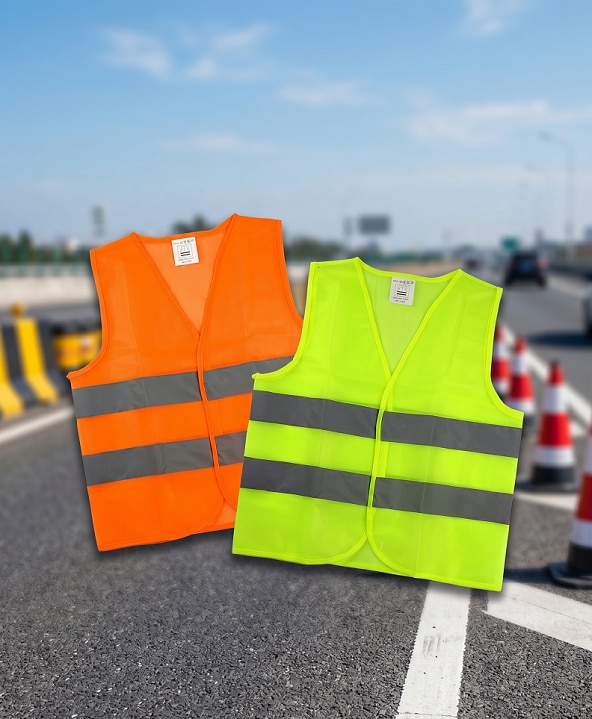 | Traffic Safety Equipments Eco Reflective Vest in Pune – AI Sales Corporation Looking for a reliable and eco-friendly safety solution? AI Sales Corporation, based in Pune,... View product → |
Frequently asked questions
When does a reflective vest provide suitable protection in Pune?
Use it when drivers, forklift operators, or equipment users need to detect you in daylight or low light. It improves conspicuity but does not protect against impact, cuts, chemicals, heat, or electrical hazards.
What evidence proves that “eco” also means a responsible safety purchase?
Ask for a specific recycled-content claim, supporting supplier or material documentation, care instructions, expected service life, and disposal or recycling guidance. Do not treat the word “eco” alone as proof.
Which construction and visibility details should you inspect?
Check fluorescent fabric coverage, contrasting retroreflective tape, tape continuity, stitching, closures, pockets, and the absence of tears or peeling. Confirm the vest remains visible from the front, back, and sides.
Will the vest remain practical in Pune’s heat, monsoon, dust, and traffic?
Choose breathable fabric and secure closures for heat, inspect drying and colourfastness after rain, and clean dust before it obscures the tape. Replace it when fabric fades, tape cracks or peels, or visibility drops.
How should a Pune buyer test and specify the right vest?
Describe the work area, traffic direction, shift timing, weather, required garment size, closure type, tape layout, colour, cleaning method, and replacement triggers. Test samples at the actual site in daylight and low light before ordering.
Keywords