Workplace safety is rarely solved by one product. A helmet cannot prevent every accident, gloves cannot replace safe machinery, and warning signs cannot compensate for poorly controlled hazards. Effective Industrial Safety Solutions work best when equipment, workplace procedures, employee behavior, and hazard controls support one another.
For industrial businesses operating in Pune, Maharashtra, this is particularly relevant across engineering, automotive, manufacturing, fabrication, warehousing, construction, maintenance, and material-handling environments.
Start With Hazard Identification
Safety procurement should begin with the hazard rather than the product catalogue.
A workplace assessment may identify risks involving:
- Falling objects
- Sharp edges
- Chemical exposure
- Moving vehicles
- Electrical work
- Slippery floors
- Welding and fabrication
- Noise
- Dust and airborne particles
- Working at height
Once risks are identified, appropriate controls can be considered.
PPE Is One Part of the System
Personal protective equipment can provide an important protective layer when hazards cannot be completely eliminated through other controls.
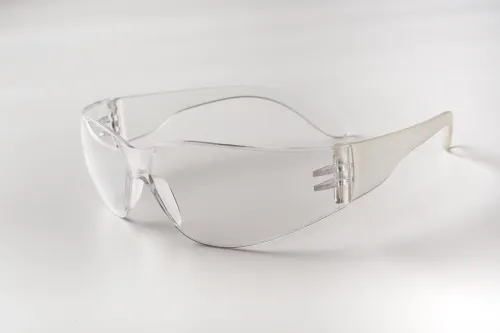
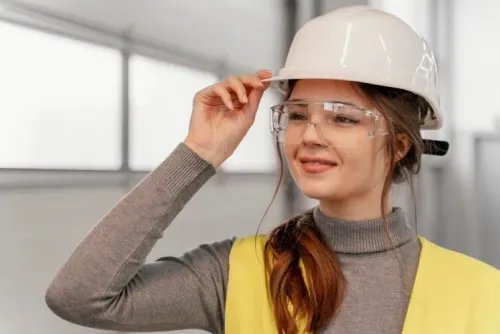
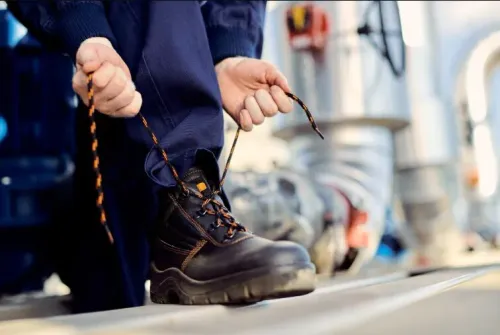
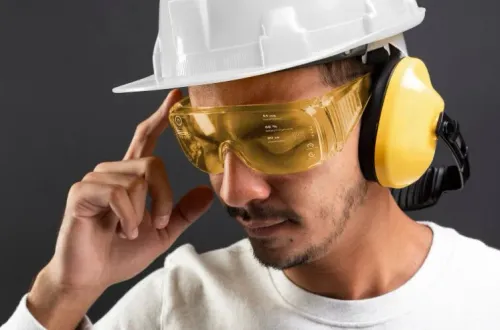
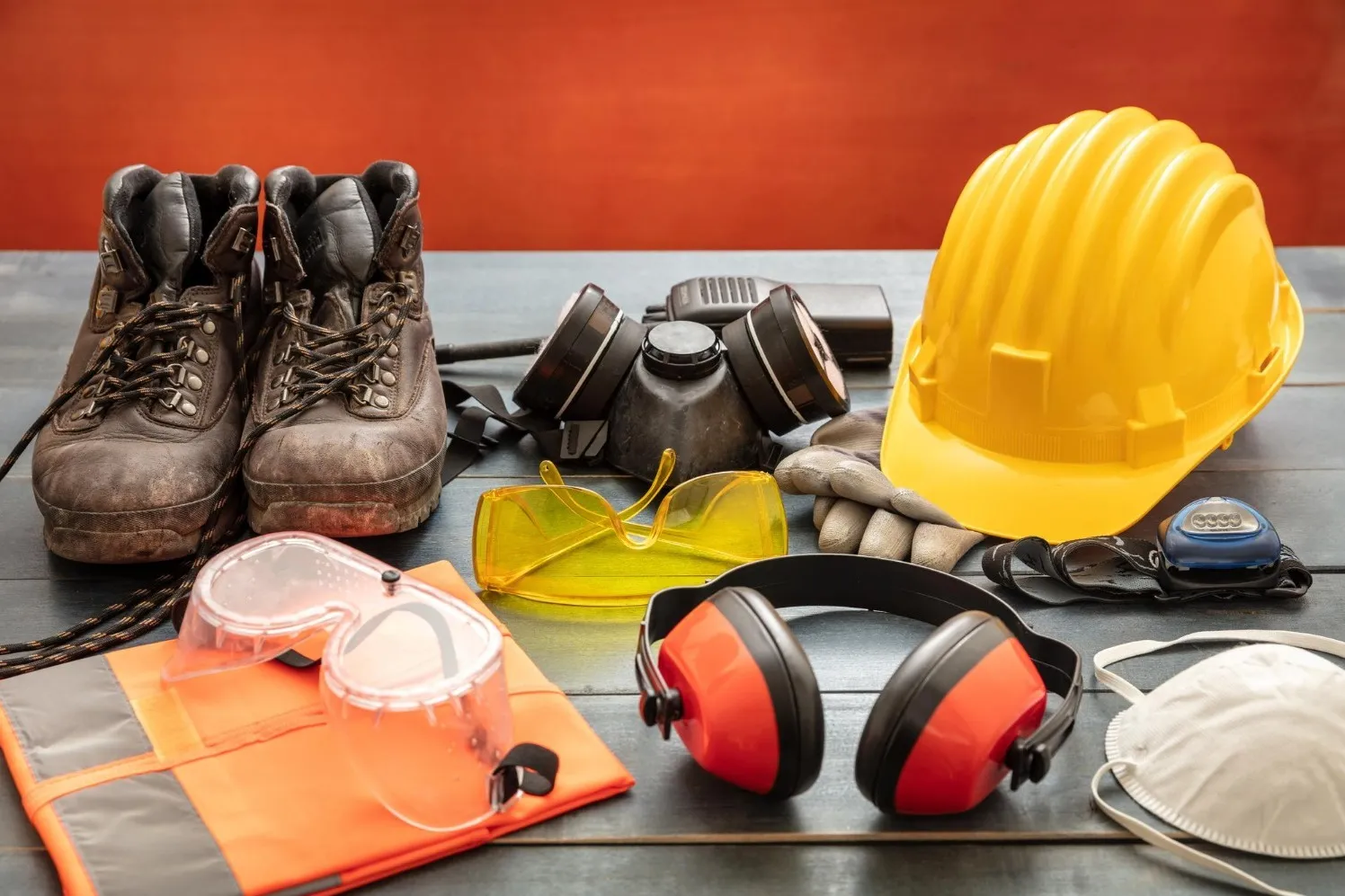
Depending on the job, PPE may include helmets, safety footwear, gloves, eye protection, face protection, respiratory equipment, reflective clothing, hearing protection, or other task-specific products.
Selection should reflect the nature and level of exposure rather than applying identical PPE to every employee.
Traffic Management Deserves Attention
Industrial facilities frequently have forklifts, trucks, delivery vehicles, employees, visitors, and contractors moving through shared areas.
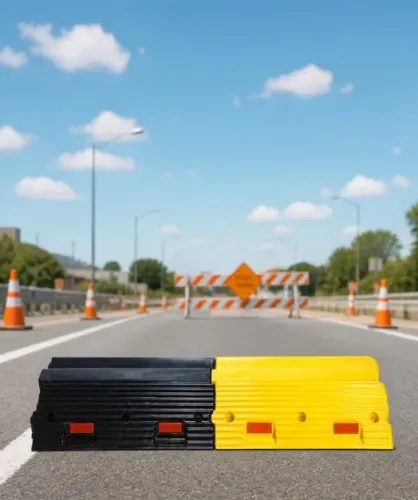
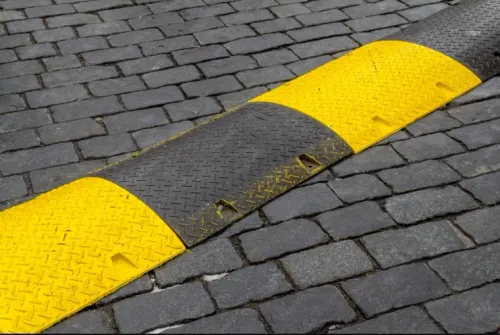
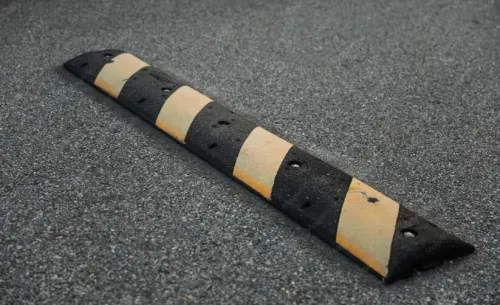
Traffic cones, barriers, reflective products, signs, and other controls can help define routes and restricted zones. Where vehicle and pedestrian paths intersect, clear traffic management becomes especially important.
Maintenance Supports Continued Protection
Even correctly selected safety equipment can become less useful when it is damaged, contaminated, incorrectly stored, or used beyond its practical service life.
Organizations can establish routine checks covering PPE condition, visibility products, traffic-control equipment, and other safety accessories. Employees should also know when damaged equipment needs to be reported.
Procurement Should Follow the Workplace
Safety requirements can change when new machinery is installed, production expands, processes change, or additional employees are introduced.
Regular reviews allow procurement teams to identify whether existing equipment still matches current risks.
AI Sales Corporation supports organizations in Pune with products used across workplace protection, PPE, industrial operations, and traffic safety applications. Instead of viewing individual products as separate purchases, businesses can evaluate how different safety measures complement one another.
A stronger safety system is built when hazards are identified first, suitable controls are selected second, and equipment is maintained consistently afterward.
Keywords