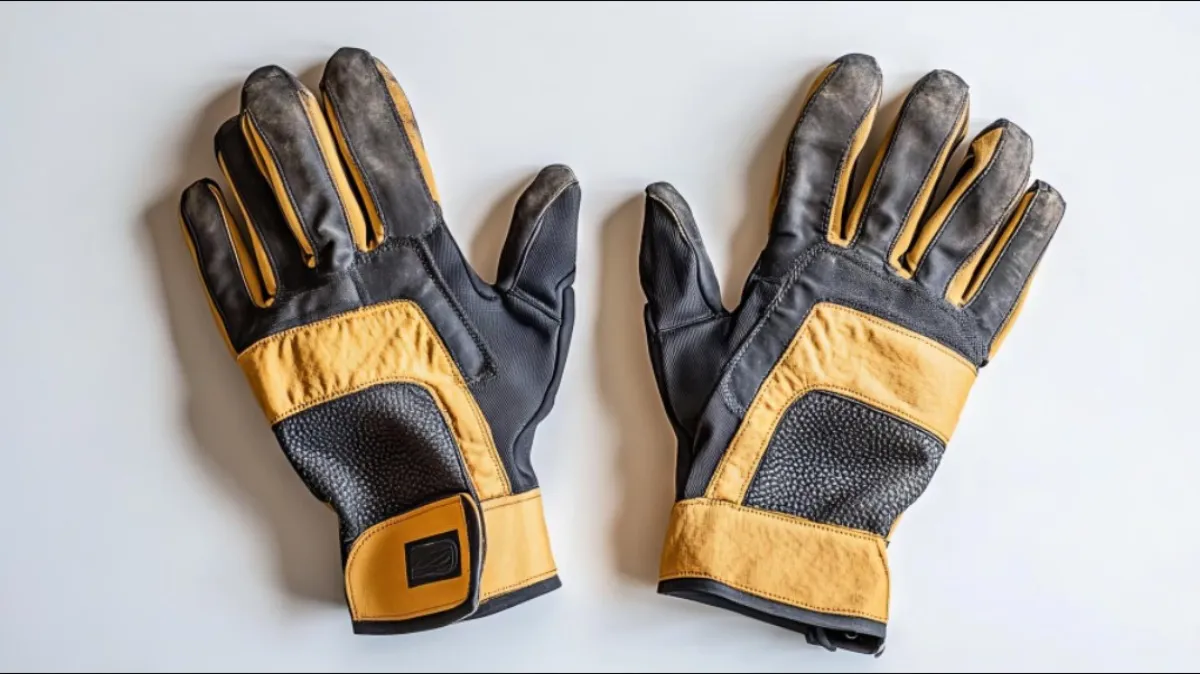
Hand protection is one of the most frequently required forms of PPE, yet choosing industrial gloves can be surprisingly complex. Businesses evaluating Industrial Hand Gloves Suppliers in Pune should consider the actual task, hazard, grip requirement, dexterity, working environment, and duration of use before deciding which gloves employees need.
A single glove type is rarely appropriate for every department in an industrial facility.
Different Tasks Create Different Risks
Employees may handle rough materials, metal components, tools, chemicals, oily parts, packaging, machinery, or maintenance equipment.
Each activity creates a different protection requirement.
For example, general material handling may prioritize grip and abrasion resistance. Work involving sharp edges may require greater cut protection. Certain chemical-handling applications require gloves made from materials suitable for the substances involved.
This is why selection should start with the job rather than simply choosing a familiar glove.
Protection and Dexterity Need Balance
A glove can provide substantial protection but still be unsuitable if it prevents an employee from handling tools or components properly.
Conversely, an extremely thin glove may offer excellent dexterity while providing insufficient protection for a higher-risk activity.
Procurement teams should therefore consider:
- Required finger movement
- Grip in dry or oily conditions
- Abrasion exposure
- Cut hazards
- Chemical contact
- Heat exposure where applicable
- Duration of wear
- Glove size and fit
The correct balance depends on the task.
Avoid One-Glove-for-Everything Procurement
Standardizing products can simplify purchasing, but excessive standardization can create problems.
Maintenance technicians, machine operators, warehouse teams, fabrication workers, and cleaning personnel may encounter very different hazards. Their glove requirements should be assessed accordingly.
A simple task-based glove matrix can help businesses determine which glove category belongs to each role.
Know When Gloves Need Replacement
Reusable gloves should be inspected for tears, punctures, excessive wear, contamination, loss of grip, or deterioration.
Disposable products should be replaced according to their intended use and workplace procedures.
Employees also need clear instructions about situations in which gloves should not be reused.
AI Sales Corporation supplies industrial safety products for businesses in Pune and can support buyers assessing hand-protection requirements alongside other PPE categories.
When comparing gloves, procurement teams should provide details about the material being handled, workplace conditions, and employee tasks. That information makes product selection far more useful than requesting a generic 'industrial glove.'
The best hand-protection decision is not necessarily the thickest or most expensive glove. It is the option whose protective characteristics and usability fit the work employees actually perform.
Keywords