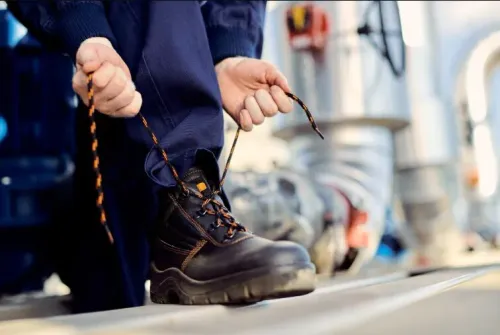
Industrial workplaces expose employees to hazards that ordinary footwear is not designed to handle. Heavy objects, slippery surfaces, sharp materials, electrical risks, heat, chemicals, and continuous movement can all increase the possibility of foot injuries. This is why businesses evaluating Safety Footwear Suppliers in Pune should focus on protection requirements rather than selecting shoes only by appearance or price.
Across Pune, Maharashtra, safety footwear is commonly required in manufacturing plants, fabrication units, engineering facilities, warehouses, construction sites, automotive workshops, logistics operations, and maintenance environments. The right footwear depends heavily on the actual hazards present at the workplace.
What Makes Industrial Safety Footwear Different?
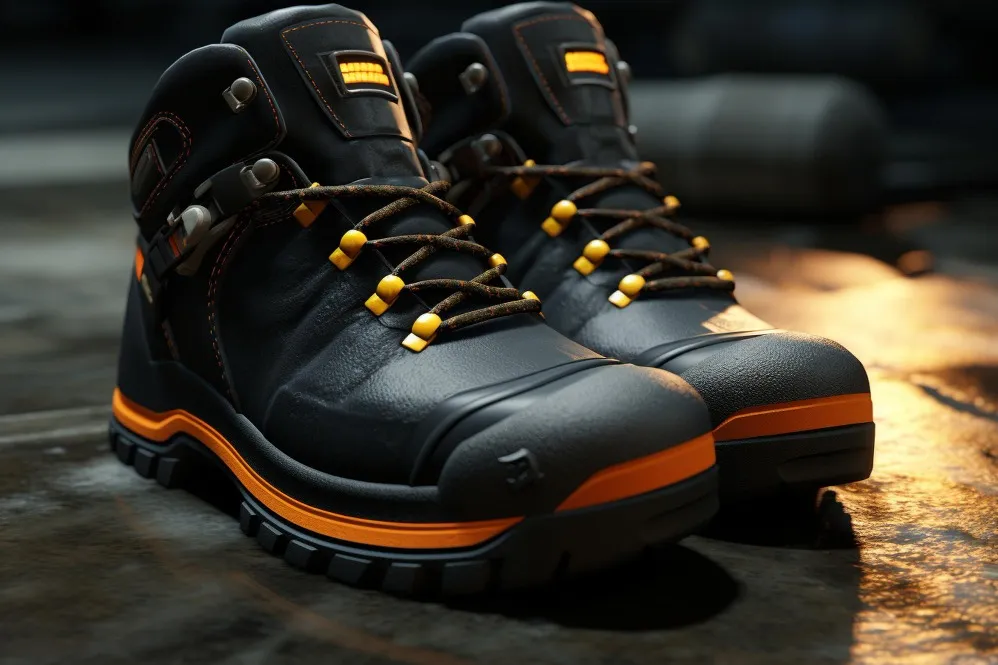
Safety footwear incorporates protective features intended for demanding work conditions. Depending on the application, these may include:
- Protective toe caps
- Slip-resistant soles
- Oil-resistant outsoles
- Puncture-resistant midsoles
- Electrical hazard protection
- Heat-resistant materials
- Ankle support
- Water-resistant construction
Not every employee requires every feature. A worker handling heavy components may need strong toe protection, while someone working around electrical installations may require footwear designed for electrical hazards.
Fit Is an Important Safety Consideration
Protection should not come at the expense of practical comfort. Employees may wear safety shoes for an entire shift, making fit, cushioning, flexibility, breathability, and weight important considerations.
Poorly fitting footwear can contribute to fatigue and discomfort. It may also discourage workers from wearing the required PPE consistently.
Businesses should therefore evaluate sizes carefully and consider the working conditions in which footwear will actually be used.
Match Footwear to Workplace Hazards
Before purchasing, employers can conduct a basic workplace assessment covering questions such as:
- Are heavy materials handled regularly?
- Are floors frequently wet, oily, or slippery?
- Could sharp objects penetrate the sole?
- Is electrical exposure possible?
- Are employees exposed to heat or chemicals?
- How many hours is the footwear typically worn?
These questions make it easier to identify suitable product specifications.
Replacement Matters Too
Safety footwear does not provide the same protection indefinitely. Worn soles, damaged toe areas, cracked uppers, exposed internal components, or reduced grip can indicate that replacement is required.
Periodic footwear inspections should therefore become part of routine PPE management rather than waiting until shoes visibly fail.
For organizations sourcing industrial safety products in Pune, AI Sales Corporation can assist with safety footwear requirements suited to different workplace applications. A careful selection process helps businesses build PPE procurement around actual hazards, employee comfort, and practical day-to-day use.
Good safety footwear is ultimately not about buying the toughest-looking shoe. It is about choosing protection that matches the worker, the task, and the environment.
Keywords