An arc flash can expose an electrical worker to extreme heat, molten metal, blast pressure, bright light, sound and shock in a fraction of a second. You will learn how to read the site label, match PPE to incident energy, check the contents and markings of a kit, and avoid treating a high arc rating as permission to work energized.
Key takeaways
- Match PPE to the label’s incident energy in cal/cm², not voltage alone.
- A forty cal kit indicates its tested thermal performance rating, not guaranteed protection from every arc flash.
- Wear a complete compatible system: hood, shield, clothing, gloves, hearing protection and footwear.
- Inspect labels, seams, closures and test records before issuing arc-flash PPE.
What happens to the body during an arc flash?
An arc flash is an electrical explosion: fault current travels through air and releases intense heat, molten metal, pressure, bright light and sound. The heat can ignite ordinary fabric, burn skin, damage eyes and ears, and drive metal fragments into exposed areas.
Arc-rated clothing reduces burn severity by resisting ignition and limiting heat transfer for its tested arc rating. It does not make shock safe or guarantee no injury. Select the ensemble from the incident energy at the task location, expressed in cal/cm², not from nominal voltage alone.
| Area | Required protection | What goes wrong when exposed |
|---|---|---|
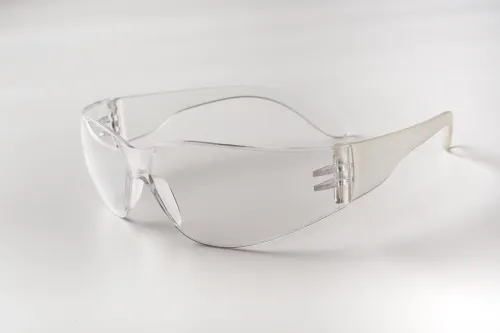
| Head, face and neck | Arc-rated hood or face shield, safety glasses or goggles, balaclava and hard hat where required | Flash burns, eye injury and molten-metal burns |
| Torso and arms | Tested shirt-and-trouser combination or coverall, with closed cuffs | Clothing ignition and burns through gaps |
| Hands and wrists | Voltage-rated gloves with leather protectors; arc-rated gloves where specified | Shock, hand burns and exposed sleeve openings |
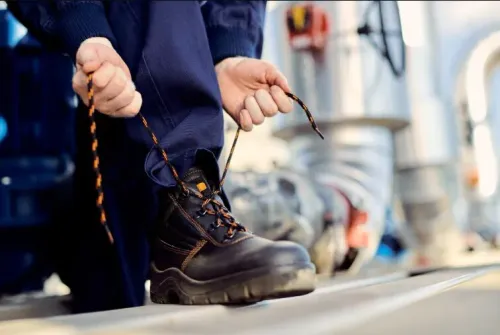
| Legs and ankles | Arc-rated trousers or coverall and suitable safety footwear | Severe lower-body burns and melted footwear |
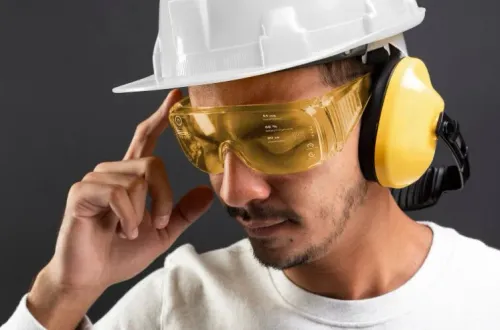
The face shield must match the expected incident energy, and it never replaces eye protection. Ensure the complete configuration covers the neck, wrists, torso and ankles without exposed metal fasteners or synthetic underlayers. For body protection safety in Pune, require documented ATPV or ELIM for the complete garment configuration, plus laundering limits and replacement criteria.
How do you use an arc-flash label to choose protection?
Match the garment’s arc rating to the label’s incident-energy value at the stated working distance. For a body protection safety arc flash kit in Pune, choose ATPV or ELIM in cal/cm² that meets or exceeds that value; nominal voltage alone cannot establish suitability.
| Label figure | What it tells you | How to use it |
|---|---|---|
| Incident energy, cal/cm² | Heat exposure at the working distance | Select the garment and face protection rating |
| ATPV or ELIM, cal/cm² | Tested arc-protection performance | Require a rating at least equal to incident energy |
| Working distance | Distance used for the calculation | Confirm the label’s rating matches your task position |
| PPE category | Prescribed equipment grouping | Use it as a cross-check, not a substitute for incident energy |
| Arc-flash boundary | Distance where a second-degree burn threshold may occur | Control access and select face and body coverage |
| Nominal voltage | System voltage | Check shock protection; it does not set arc rating |
| Study date | Age of the calculation | Recheck after equipment or protection-setting changes |
Do not accept “FR” as proof of arc protection. Ask for the complete tested garment configuration—coverall or shirt-and-trouser combination—with its ATPV or ELIM, test standard and user instructions. A suit alone is incomplete: face, hand, head, neck and eye protection must match the incident energy, while voltage-rated gloves address shock rather than arc heat.
Treat the label as unreliable after changes to transformers, breakers, cables, utility fault levels or relay settings. Obtain the electrical study before buying, and verify laundering limits, contamination controls and replacement criteria.
What does a forty cal arc flash kit actually mean?
A forty cal arc flash kit has an arc rating of at least 40 cal/cm² for its tested configuration. That figure describes the thermal energy the configuration can withstand before causing a second-degree burn, not permission to remain in any 40-cal/cm² event.
Compare the site’s calculated incident energy at the stated working distance with the kit’s ATPV or ELIM; choose a higher rating when the energy exceeds 40 cal/cm².
| Measure | What it means | How to use it |
|---|---|---|
| Arc rating | Thermal protection in cal/cm², stated as ATPV or ELIM | Match it to calculated incident energy |
| Nominal voltage | The electrical system’s voltage | Use it for shock-protection selection, not as an arc-energy substitute |
Do not accept “FR” or “electrical safety” as proof of arc protection. Verify the garment’s arc rating and standards, such as ASTM F1506 with ASTM F1959/F1959M testing, or IEC 61482-2 with IEC 61482-1-1 testing.
A body suit alone is not a complete arc flash protection kit; its rating does not certify the face, hand, head or other components.
Request these records before approving the kit:
- A label or technical sheet showing ATPV or ELIM for the complete shirt-and-trouser combination or coverall.
- A conformity statement and test report identifying the exact model and tested configuration.
- User instructions covering sizing, laundering, contamination, repairs and prohibited modifications.
- Replacement criteria for damaged, cut, patched or chemically contaminated garments.
- Instructions confirming which hood, shield, gloves and accessories are compatible.
What must be inside and compatible as worn?
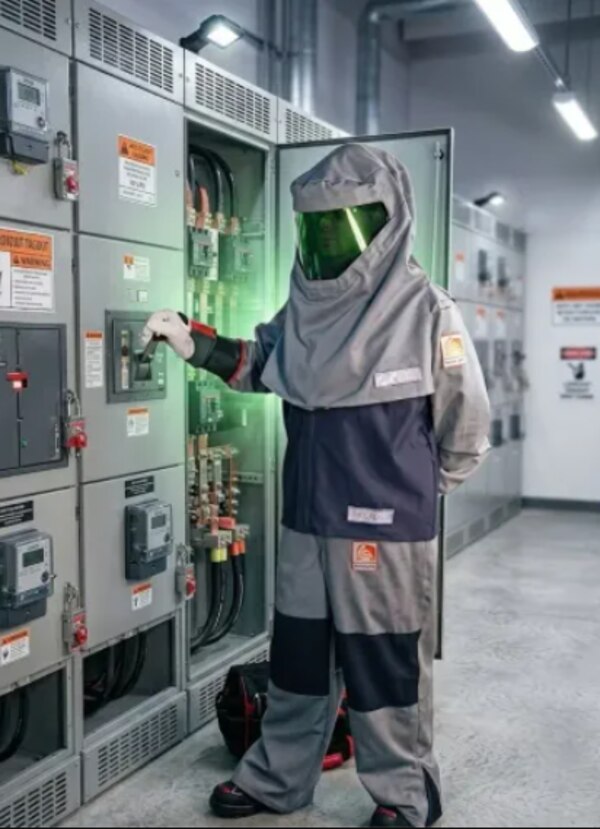
A body suit alone is not a complete arc flash protection kit. Build the kit around the incident energy and arc-flash boundary, then check how every item overlaps while worn.
| Component | Select | Ensemble failure to prevent |
|---|---|---|
| Arc-rated clothing | Shirt and trousers or coverall with a stated arc rating; arc-rated balaclava where the hood does not cover the neck | Synthetic underlayers, exposed metal fasteners, open cuffs, or gaps at the wrists, neck, waist and ankles |
| Face, eye and head protection | Arc-rated face shield or hood, safety glasses or goggles, hearing protection and head protection | A face shield does not replace eye protection; an incorrectly rated shield leaves the face and neck exposed |
| Hand protection | Voltage-rated rubber gloves with leather protectors; arc-rated gloves where the task assessment specifies them | Gloves ending below the sleeve expose the wrist, while loose protectors can interfere with cuff coverage |
| Footwear and outer layers | Safety footwear suitable for the electrical task, plus arc-rated accessories required by the risk assessment | Non-rated rainwear worn over the kit can ignite or prevent the tested layers from working together |
Use arc-rated clothing, not merely flame-resistant clothing: resistance to ordinary flame does not state arc-flash performance. Check the garment’s arc rating and product standard.
Do not cut, patch or modify an arc-rated garment. Replace clothing damaged by tears, heat or chemical contamination, and follow the stated laundering limits; industrial laundering can change performance. The assembled kit must meet the calculated incident energy, not just pass item-by-item purchasing checks.
How should Pune workplaces buy, inspect and manage arc-flash PPE?
Do not place a purchase order from the words “FR” or “electrical safety.” For body protection safety in Pune, document the incident-energy value, working distance, nominal voltage, arc-flash boundary and electrical-study date before selecting clothing. Check the label after changes to transformers, breakers, cables, protection settings or utility fault levels.
- Specify ATPV or ELIM in cal/cm² for the complete tested configuration: coverall or shirt-and-trouser combination, not the fabric alone. Obtain conformity and test records, the applicable product standard, user instructions, available sizes, laundering limits and replacement criteria for every component.
- Match each task to the full ensemble: arc-rated hood or face shield, balaclava, safety glasses, hearing protection, voltage-rated gloves with leather protectors, footwear and head protection. Nominal voltage alone cannot determine arc-flash protection.
- Inspect before every use for holes, burns, torn seams, contamination, damaged closures and missing labels. Remove contaminated garments from service until the manufacturer’s cleaning process confirms they remain suitable.
- Launder according to the written instructions, record cleaning and issue dates, and replace items at the stated failure point. Do not cut, patch, embroider or alter an arc-rated garment; modification can invalidate its tested configuration.
For industrial electrical safety in Pune, a supplier such as AI Sales Corporation can compare the label’s incident energy with documented kit ratings, check component compatibility and arrange sizes or replacement items. The employer still owns the electrical study, risk assessment, training, inspection records and decision to de-energise equipment.
Related product
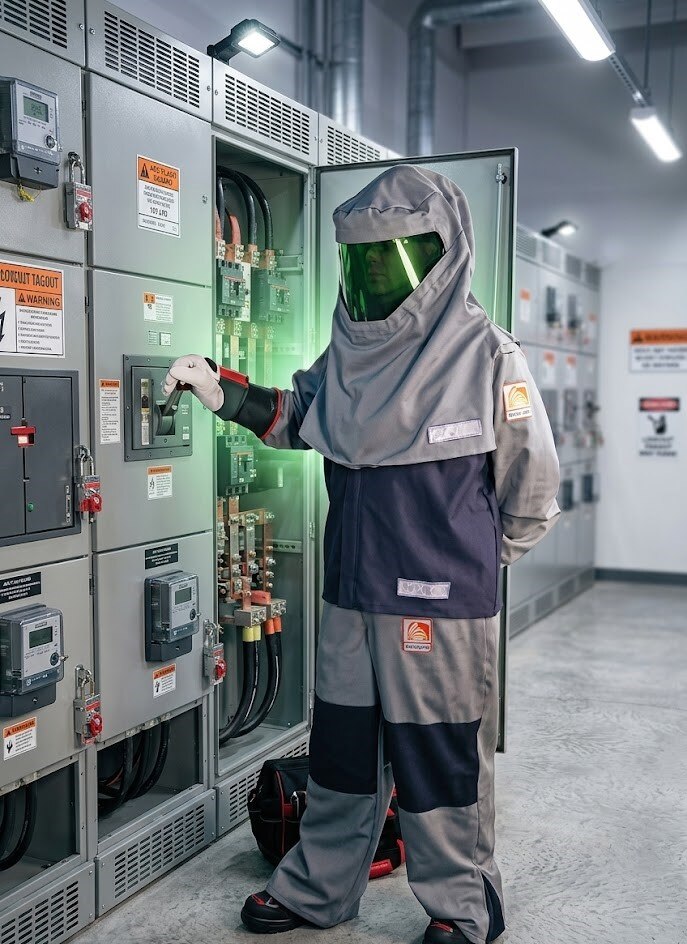 | Arc Flash Protection Kit 40 Cal Arc Flash Protection Kit The 40 Cal Arc Flash Protection Kit offered by AI Sales Corporation is designed to provide superior protection to workers operating in high-risk... View product → |
Frequently asked questions
What happens to the body during an arc flash?
An arc flash can expose you to intense heat, molten metal, pressure, bright light, loud sound and flying fragments. Ordinary fabric can ignite, while exposed skin, eyes and ears can suffer severe injury.
How do you use an arc-flash label to choose protection?
Read the incident energy value in cal/cm², arc-flash boundary, working distance and PPE category on the label. Select clothing and equipment with an ATPV or EBT rating at least equal to the stated incident energy, then follow the equipment manufacturer’s instructions.
What does a forty cal arc flash kit actually mean?
A forty cal arc flash kit is tested for an arc thermal performance value or energy-breakopen threshold of 40 cal/cm², depending on its certification marking. It does not mean the wearer can safely approach every arc flash or ignore shock, pressure, molten-metal and other hazards.
What must be inside an arc flash protection kit and compatible as worn?
Check for arc-rated clothing, an arc-rated hood or face shield, hard hat, balaclava where required, voltage-rated gloves with leather protectors, hearing protection and suitable safety footwear. Confirm that closures, layers, face protection and glove combinations are approved for use together.
How should Pune workplaces buy, inspect and manage arc-flash PPE?
Provide the equipment for the task and label rating, request test reports and product markings, record issue dates and user training, and inspect every item before use. Remove gear with burn damage, holes, contamination, failed closures, cracked shields or expired electrical-glove test status.