An arc flash releases heat, pressure, molten metal, intense light and toxic smoke in a fraction of a second; a suit alone does not control the electrical source or prevent shock. You will learn how to interpret the incident-energy result, select a complete arc-rated ensemble, verify its documents and wear it without leaving dangerous gaps.
Key takeaways
- Match PPE to incident energy in cal/cm², not voltage alone.
- A 40-cal kit is rated for 40 cal/cm² incident energy.
- Wear the complete tested ensemble, including gloves, hood and face protection.
- Check arc rating, test standard, size, labels and supplier documents before buying.
What an Arc Flash Does to the Body
An arc flash is a sudden electrical discharge through air, not a normal flow of current through a person. The arc can reach about 20,000°C and injure workers through several mechanisms:
- Severe thermal burns from the arc and burning clothing
- Molten metal and shrapnel striking skin and eyes
- A pressure wave throwing the worker or damaging hearing
- Intense ultraviolet and visible light injuring eyes
- Toxic smoke and metal vapour affecting breathing
Electric shock requires a current path through the body, often after contact with an energised conductor. It can cause involuntary muscle contraction, deep burns, respiratory failure, cardiac arrest or electrocution. An arc flash can burn or strike you without direct contact, while protection against thermal energy does not stop current flowing through your body.
Arc-rated clothing reduces burn injury; it does not prevent shock, blast pressure, flying metal, toxic smoke or equipment failure. Rubber insulating gloves selected by voltage class, worn with compatible leather protectors, address shock exposure. Arc-rated gloves or sleeves address heat but are not tested substitutes for insulating gloves.
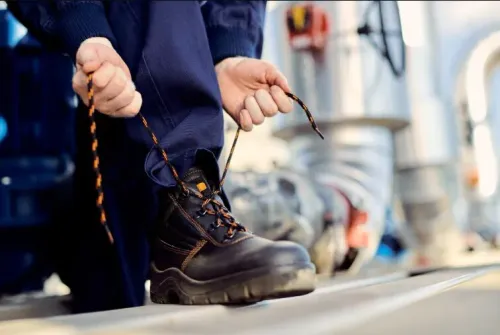
Safety footwear also needs a specified dielectric or electrical-hazard rating; “industrial” footwear alone proves nothing.
For body protection safety in Pune, match the garment’s ATPV or EBT in cal/cm² to the calculated incident energy. Industrial electrical safety in Pune still depends on isolation, lockout/tagout, voltage verification and justified energized work. Pune’s heat affects wearability, not the arc-rating calculation.
How to Convert an Arc-Flash Assessment into a PPE Rating
The arc rating you need is the incident-energy result at the worker’s working distance, expressed in cal/cm². Select an arc-rated ensemble with an ATPV or EBT equal to or greater than that value; “arc flash suit” alone proves nothing.
The calculation depends on the installation and the task, not on Pune’s location. Provide these inputs to the assessor:
- System voltage and available fault current at the equipment
- Protective-device type, trip setting and total clearing time
- Equipment construction, such as a panelboard, switchboard, MCC or transformer
- Working distance from the worker’s face and torso to the arc source
- Task details, enclosure condition and the incident-energy result
| Assessment detail | Effect on the result | Check before selecting PPE |
|---|---|---|
| Voltage | Influences arc behaviour and boundaries | Confirm the equipment nameplate |
| Fault current | Changes the energy released | Use the available-fault-current study |
| Clearing time | Longer duration increases incident energy | Verify breaker or fuse clearing data |
| Working distance | Closer exposure increases incident energy | Measure the actual task position |
A label reading 12 cal/cm² calls for PPE rated at least 12 cal/cm², with every required arc-rated garment and accessory compatible with that ensemble. The rating does not provide shock protection, stop blast pressure or replace isolation, lockout/tagout, voltage verification and an energized-work justification.
Industrial electrical safety in Pune also requires a wearable solution. Heat, hydration, sizing and work-rest planning matter; an unnecessarily heavy 25- or 40-cal/cm² kit can be rejected or worn incorrectly. Specify footwear separately: safety shoes are not automatically electrically insulating.
What a Forty-Cal Arc Flash Kit Actually Means
Forty cal/cm² means the material has been tested against an arc exposure of 40 calories per square centimetre at the specified test conditions. These are thermal calories, not food calories.
The figure is an arc rating, commonly shown as ATPV or EBT, and the clothing rating must meet or exceed the calculated incident energy at the worker’s distance.
| Label or item | What it means | What to check |
|---|---|---|
| 40 cal/cm² | Protection against the stated arc-energy exposure | Compare it with the incident-energy result |
| ATPV or EBT | A garment’s tested arc-performance value | Use the lower applicable value when selecting PPE |
| FR only | Flame-resistant performance under a particular test | Not proof of arc-flash protection |
| Kit claim only | A package-level marketing description | Verify every component’s marking and test information |
A forty cal arc flash kit is an ensemble, not merely a jacket and trousers. The arc-exposed components must carry suitable markings: coat or coverall, trousers, hood or face shield, balaclava, and any arc-rated gloves or accessories supplied for the task.
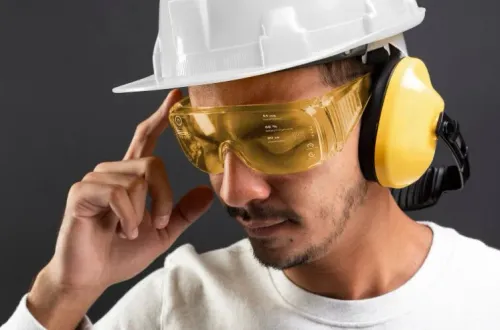
Confirm the helmet, hearing protection, hand protection, footwear, and neck and lower-leg coverage separately; a missing rating or open gap can leave skin exposed.
Choose 40 cal/cm² when the assessment produces that energy level and the equipment, task, clearing time, and working distance support the selection. Do not buy it as a universal substitute for de-energising or an incident-energy study.
A heavier arc flash protection kit increases heat burden in Pune, so sizing, hydration, work-rest periods, and correct wear must be practical.
How to Build, Wear and Inspect the Complete Ensemble
A body protection safety arc flash kit in Pune protects only the skin it actually covers. Close every coat, coverall and trouser fastener; overlap sleeves with gloves and trouser legs with footwear. Use the arc-rated hood or face shield, balaclava, helmet and hearing protection specified for the assessed incident energy.
1. Confirm the ensemble before entering the boundary. Match every garment label to the calculated cal/cm² value, and check that the hood, face protection, gloves and footwear are compatible with the same task. Do not treat a jacket and trousers as a complete arc flash protection kit.
2. Choose layers that will not melt or ignite against the skin. Wear the manufacturer-approved arc-rated underlayer, not polyester T-shirts, nylon base layers or exposed metal accessories. Specify whether footwear needs dielectric or electrical-hazard properties; “industrial safety shoe” alone proves only mechanical protection.
3. Put the ensemble on where you can check coverage and movement. Keep cuffs closed, remove loose fabric, and test squatting, reaching and operating the equipment without exposing wrists, ankles, neck or waist. In Pune’s warm conditions, plan hydration and work-rest breaks; heat stress can cause workers to unzip or remove PPE.
4. Inspect before every use. Reject fabric with burns, holes, chemical contamination, open seams, damaged closures or a missing label, and replace cracked shields, worn gloves or compromised footwear. Cleaning must follow the care label; unauthorised repairs or household bleach can reduce protection.
A rated garment that cannot close or has been damaged is not protective PPE.
What to Ask for Before Buying Arc-Flash PPE in Pune
Ask for documents tied to the exact model, size range and hazard assessment—not a quotation labelled only “arc flash suit.” The proposed body protection safety arc flash kit in Pune must carry an arc rating in cal/cm² that meets or exceeds the calculated incident energy at the stated working distance.
| Document | What it proves | Reject if missing |
|---|---|---|
| NFPA 70E assessment and equipment label | The task, boundary, incident energy and PPE category match | The supplier cannot match the kit to your label |
| ASTM F1506 or IEC 61482-2 garment record | The coat, trousers or coverall was tested as arc-resistant clothing | Only the fabric, not the finished garment, is documented |
| ASTM F2178 face-shield record or IEC 61482-1-2 result | The hood or shield has a stated arc rating | The visor is added without test evidence |
| Manufacturer label and batch traceability | Model, arc rating, size, fibre content and production identity | The label says only “arc flash protection” |
| Care instructions and replacement limits | Washing, drying, inspection and retirement rules | The seller gives no written maintenance guidance |
Request a complete-ensemble test basis. Exposed cuffs, non-rated underlayers, open fasteners and an untested face shield can invalidate the claimed rating.
For body protection safety in Pune, ask whether footwear needs ASTM F2413 electrical-hazard marking, another specified dielectric standard, or mechanical protection only. “Industrial safety shoe” proves neither.
AI Sales Corporation should provide model-specific records rather than treating a 40-calorie kit as automatically suitable. Also check heat burden, sizing, hydration and work-rest planning; PPE that cannot be worn correctly during switching is a procurement failure.
Related product
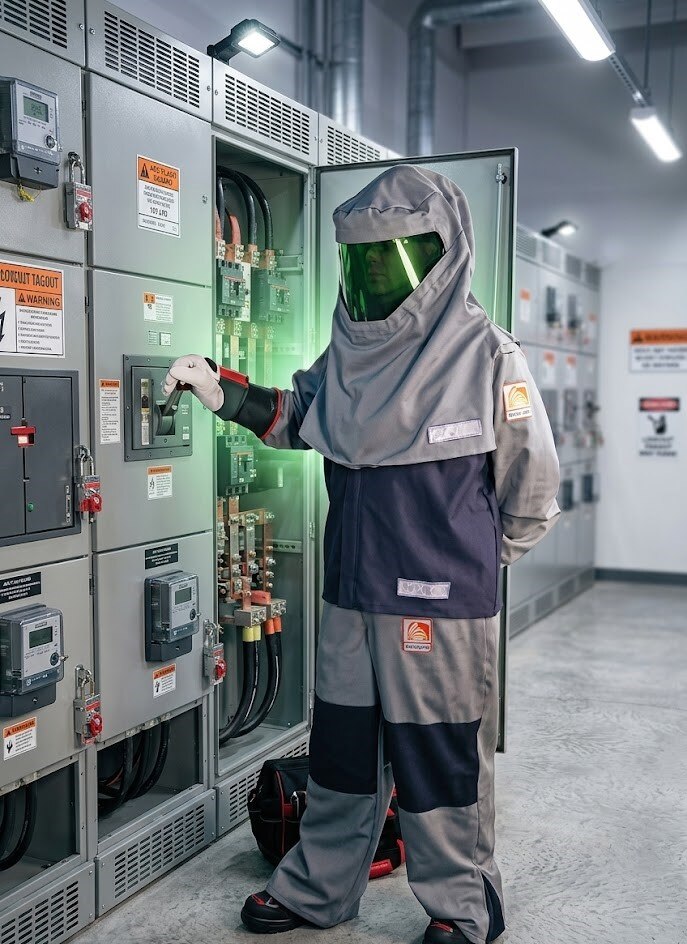 | Arc Flash Protection Kit 40 Cal Arc Flash Protection Kit The 40 Cal Arc Flash Protection Kit offered by AI Sales Corporation is designed to provide superior protection to workers operating in high-risk... View product → |
Frequently asked questions
What injuries can an arc flash cause?
An arc flash can cause severe burns, eye injuries, hearing damage, blast injuries and clothing ignition through intense heat, light, pressure and molten metal.
How do you choose the arc-flash PPE rating?
Use the incident-energy value from the arc-flash assessment, measured in cal/cm², and select PPE with an arc rating at or above that value.
What does a 40-cal arc flash kit mean?
It means the kit has an arc rating of 40 cal/cm² when tested as specified on its product labels and certification documents. It does not make electrical work risk-free.
What should you check before buying arc-flash PPE in Pune?
Check the arc rating, applicable test standard, garment and component labels, size range, manufacturer instructions, batch or traceability details and supplier documentation.
Keywords